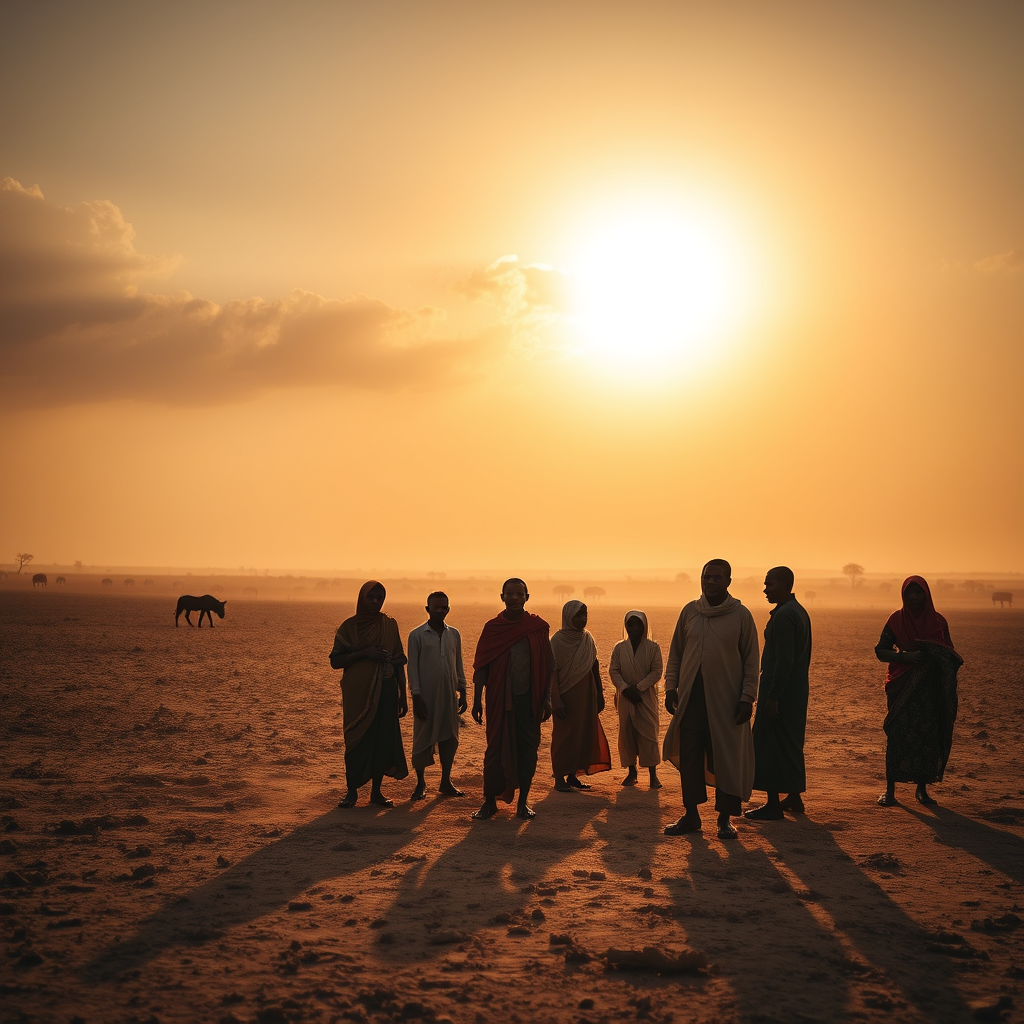
West and Central Africa are currently gripped by a catastrophic hunger crisis as humanitarian funding reaches a breaking point. Millions of lives are at risk as aid agencies face unprecedented shortfalls, forced to slash rations in regions already battered by conflict and climate change. This article explores the political and economic drivers of this emergency and the devastating consequences of global neglect.
The Chasm Between Need and Resources
The humanitarian landscape in West and Central Africa has reached a perilous tipping point where the mathematical reality of funding simply cannot keep pace with the accelerating scale of human suffering. According to data from the World Food Programme (WFP), the chasm between escalating requirements and available capital has forced aid agencies into a heart-wrenching “triage” of survival. While conflict and climate shocks have pushed millions into phase 3 or higher of food insecurity, donor contributions have plummeted to historic lows. For the 2024-2025 cycle, several critical humanitarian response plans remain funded at less than 30 percent, leaving a massive vacuum in regions where international aid is the only buffer against total catastrophe. This funding paralysis means agencies must prioritize the “hungry among the starving,” often cutting rations by half or more to stretch dwindling stocks. The shortfall is not merely a budget line; it is a tangible death sentence for the most vulnerable populations who have been pushed to the very edge of the abyss.
Countries facing the most severe budget gaps include:
- Burkina Faso
- Mali
- Niger
- Chad
- Central African Republic
- Democratic Republic of the Congo
Security Priorities and the Aid Vacuum
The geopolitical landscape of West Africa is undergoing a profound transformation as international donors pivot from humanitarian relief toward militarized stabilization. This shift is starkly illustrated by the recent U.S. National Defence Authorisation Act, which earmarked $413 million for AFRICOM operations in Nigeria and the Sahel. These funds prioritize counter-insurgency and tactical training, reflecting a strategic desire to contain regional instability and counter the influence of rival global powers. While military budgets swell, the funding for essential food and health programs has been slashed, creating a lethal imbalance. By viewing the Sahel through a strictly security-oriented lens, the international community risks ignoring the root causes of unrest. The motivation to secure borders and protect resource interests often overrides the immediate need to address the looming famine affecting millions. Consequently, millions of dollars are diverted into hardware and surveillance, while the humanitarian response plan remains chronically underfunded. This prioritization of kinetic solutions over human welfare ensures that while the guns remain loaded, the plates stay empty.
A Perfect Storm of Climate and Inflation
The crisis is fueled by a lethal convergence of ecological collapse and financial ruin. Across the dust-choked expanses of the Sahel, where the horizon shimmers over cracked, thirsty earth, erratic rainfall patterns have sabotaged traditional planting seasons. Desertification is relentlessly claiming once-fertile grazing lands, leaving local farmers and pastoralists with nothing but barren soil and withered stalks. This environmental degradation is exacerbated by a brutal economic reality; Nigeria, Sierra Leone, and Ghana are grappling with record-high inflation that has sent the price of staples like sorghum and maize skyrocketing. For a mother in Freetown or a laborer in Lagos, the math of survival no longer adds up as basic food moves beyond reach.
The primary ‘force multipliers’ of food insecurity include:
- Climate Change: Intensifying droughts and flash floods decimating annual crop yields.
- Conflict: Persistent violence disrupting trade routes and forcing mass population displacement.
- Economic Instability: Currency devaluation making essential nutrition unaffordable for millions.
Without urgent intervention, these structural pressures ensure the hunger gap continues to widen.
The Invisible Victims of Ration Cuts
In the sprawling refugee camps of eastern Chad and the besieged towns of Burkina Faso, the clinical term “funding shortfall” translates into a harrowing daily reality. When humanitarian agencies are forced to slash rations, it is not a mere budgetary adjustment; it is a slow-motion catastrophe that hollows out the human spirit. Families who once relied on monthly distributions now receive less than half of their survival needs. For many, “reduced rations” effectively means surviving on just one meager meal a day, often nothing more than a small portion of boiled grains. In Mali, mothers in displaced communities watch helplessly as their children succumb to acute malnutrition, a condition that permanently stunts cognitive and physical development. Currently, over 55 million people across West and Central Africa are facing the abyss of food insecurity. This is a silent famine, where the light fades from a child’s eyes in a dusty tent far from the global gaze, and lives are lost in a vacuum of international neglect.
Beyond Aid Towards Sustainable Resilience
Breaking the cycle of the hunger crisis requires a paradigm shift from reactive emergency relief to proactive investment. In West and Central Africa, resilience projects must prioritize local food systems, empowering farmers with drought-resistant tools to withstand climate shocks. This transition is essential; aid cannot solve food insecurity without being paired with political stability and inclusive economic growth. The current funding shortfall is a policy choice, not an economic inevitability, reflecting global priorities that neglect the Sahel’s vulnerable populations. We must move beyond stop-gap measures, ensuring humanitarian aid cuts do not dismantle the foundations of regional survival. Addressing this crisis demands structural transformation of agricultural economies. Global leaders must urgently mobilize resources to bridge this gap and renew their commitment to a region where millions of lives hang in the balance. In an interconnected world, the persistence of avoidable famine is not a tragedy of scarcity, but a failure of the moral imagination and a betrayal of our common humanity.
Conclusions
The hunger crisis in West and Central Africa is a profound political and moral failure. As funding shortfalls and shifting global priorities leave millions without basic sustenance, the window for effective intervention is closing. Addressing this catastrophe requires more than temporary relief; it demands a strategic realignment that prioritizes human life over geopolitical interests. Only through sustained, multifaceted support can the region achieve lasting stability and food security.