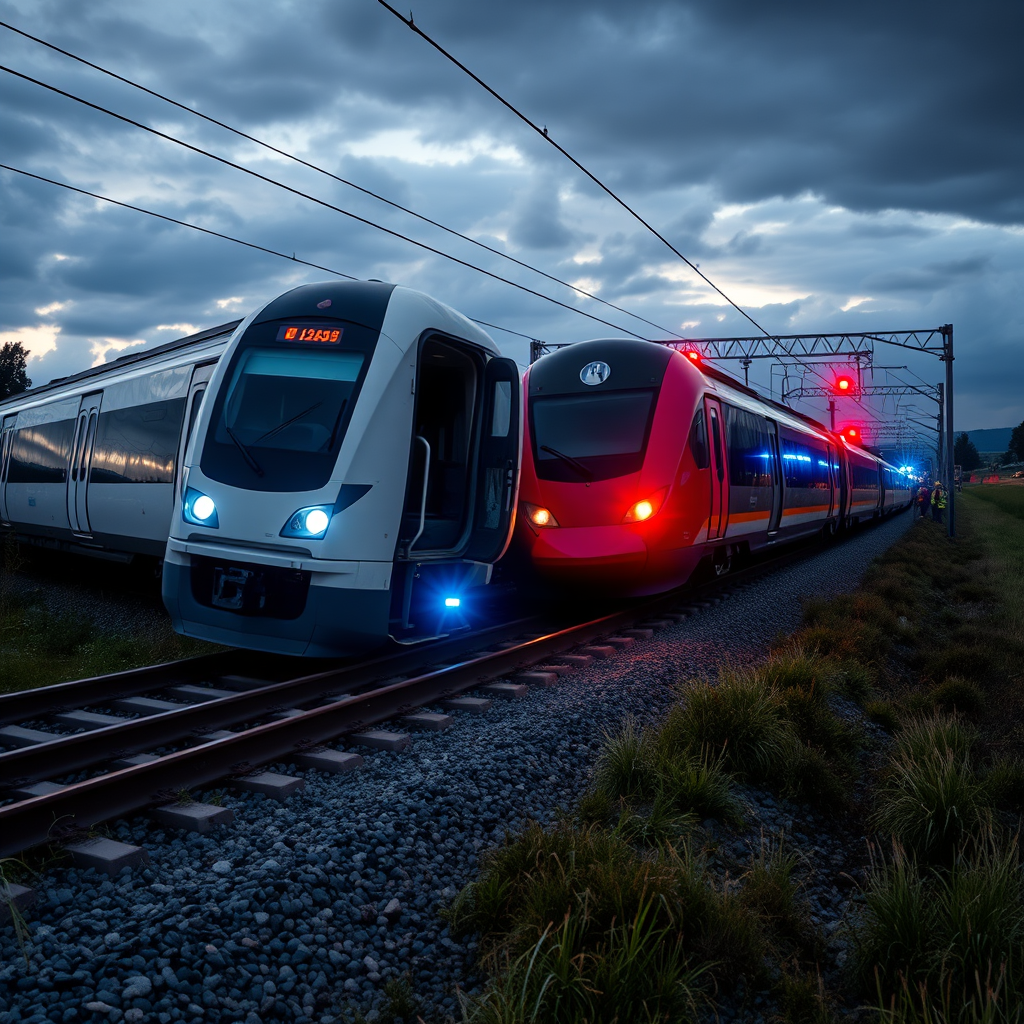
A devastating high-speed train collision near Cordoba has claimed at least 39 lives, sparking a national emergency and raising urgent questions about rail safety.
The Fatal Impact near Adamuz
The collision occurred at approximately 7:45 p.m. near Adamuz, a town close to Cordoba. The rear carriages of an Iryo train, en route from Malaga to Madrid, inexplicably derailed. In a catastrophic turn of events, these derailed carriages veered into the path of an oncoming Renfe train destined for Huelva. The impact was immense, reducing a significant portion of both trains to mangled metal. The night-time rescue efforts were an ordeal of darkness and desperation, with emergency personnel working tirelessly under floodlights amidst the wreckage. Sadly, the incident resulted in the deaths of at least 39 individuals. The immediate aftermath saw a massive mobilization of emergency services. The primary entities on the scene included:
- The Spanish Red Cross (Cruz Roja)
- The Spanish Civil Guard (Guardia Civil)
- Regional Civil Defense units
- Local emergency medical services from Cordoba
The physical devastation was profound. Carriages were ripped apart, twisted into unrecognizable shapes, and strewn across the tracks and surrounding embankments. Amidst the grim task of recovery, the immediate priority was the care of the 75 survivors who were rushed to Cordoba hospitals. Their conditions ranged from minor injuries to critical, each facing the trauma of the devastating high-speed rail disaster.
Infrastructure Safety and Technical Paradoxes
The recent high-speed train crash near Cordoba, which claimed at least 39 lives, has sent shockwaves through Spain and ignited a fervent debate surrounding the intricate technical paradoxes that may have contributed to this devastating event. Transport Minister Óscar Puente’s description of the incident as “truly strange” underscores the perplexity, particularly as the crash occurred on a seemingly innocuous, flat stretch of track that had undergone recent renovation in May. This particular detail amplifies the urgency to scrutinize the safety protocols and infrastructure integrity.
A key aspect of this investigation involves the complex interplay between private operator Iryo and public operator Renfe. Spain’s liberalized high-speed rail market necessitates a seamless integration between these entities, managed by Adif, the state-owned infrastructure administrator. The Iryo train involved in the accident was remarkably new, less than four years old, and the track infrastructure, managed by Adif, had been recently renovated. The perplexing failure of the train’s rear carriages to remain on the rails, despite these seemingly favorable conditions, has left rail experts baffled. Safety systems, expected to prevent such catastrophic derailments on low-risk sections of the network, appeared to have failed, raising profound questions about their efficacy and the underlying causes of this tragedy. The technical specifications, including the age of the rolling stock and the recency of track maintenance, normally associated with enhanced safety, paradoxically coincided with this catastrophic outcome, deepening the mystery surrounding the event.
National Response and the Future of Rail Safety
In the wake of the devastating high-speed train collision near Cordoba, which claimed at least 39 lives, the Spanish political landscape has been significantly impacted, raising urgent questions about the safety and future of the nation’s acclaimed High-Speed Network. The immediate aftermath saw a flurry of activity, with regional leaders, including Andalusia President Juanma Moreno, engaging directly with the crisis. Moreno’s swift visit to the disaster site and his subsequent calls for a thorough investigation underscored the gravity of the situation at a regional level. This tragedy inevitably draws parallels with the 2013 Santiago de Compostela rail disaster, a stark reminder of the vulnerabilities within Spain’s advanced rail system. The comparison intensifies the political pressure on the Ministry of Transport to ensure a transparent and rigorous investigation into the Cordoba crash, fostering public trust and demanding accountability. The incident has initiated a series of critical safety reviews and political considerations. Key measures expected include the potential suspension of high-speed services between Madrid and Andalusia, the launch of a comprehensive safety audit across all high-speed lines nationwide, and a thorough legislative review of the protocols governing private-public rail cooperation. These steps are crucial not only for immediate safety improvements but also for addressing systemic issues. The disaster casts a shadow over Spain’s international reputation as a global leader in rail technology and safety, necessitating a robust response to reaffirm its commitment to secure and efficient high-speed rail travel.
Conclusions
The tragic collision near Adamuz, resulting in at least 39 deaths, stands as a stark reminder of the complexities inherent in modern high-speed infrastructure. While Spain continues to lead Europe in rail technology, this disaster highlights the urgent need for a thorough investigation into systemic vulnerabilities. Ensuring passenger safety through rigorous oversight and technical transparency must remain the nation’s highest political priority.